Safety in Scaffolding and Lifting Operations
In the world of steel structure erection and high-rise construction, safety is not an option — it is a fundamental necessity.
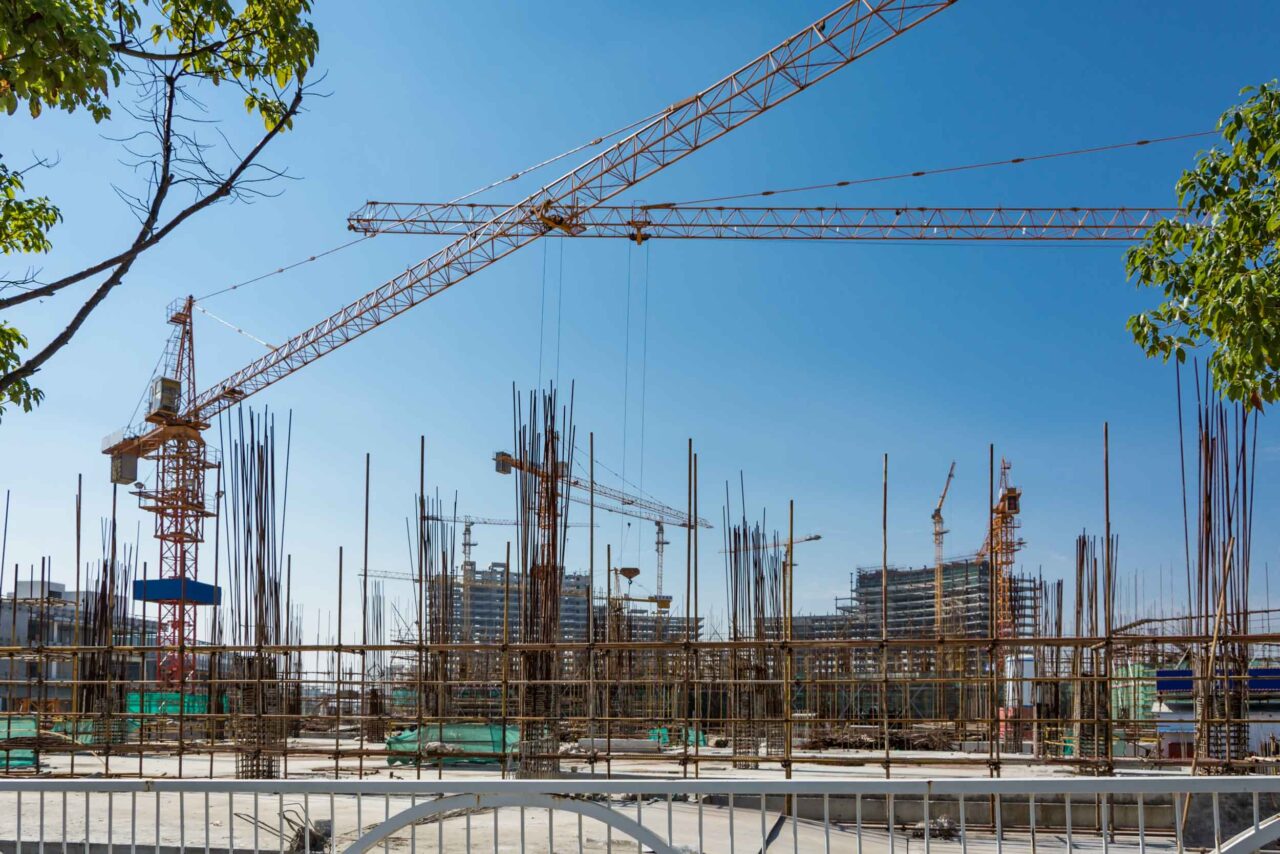
Working at elevated heights, handling heavy steel members, and operating cranes and scaffolding systems demand a culture of safety that protects workers and ensures the integrity of every project.
“A safe workplace is not only about compliance — it’s about care, awareness, and responsibility.”
The Risks of Working at Heights
When teams are assembling steel structures at high elevations, they face constant exposure to hazards such as falling, dropped objects, or unstable platforms.
Scaffolds, cranes, and lifting equipment must be precisely engineered, properly inspected, and used only by trained personnel to reduce these risks.
- Improperly secured scaffolding can lead to collapse or falls.
- Unsafe lifting angles can destabilize heavy steel components.
- Neglecting safety gear puts both workers and the structure at risk.
Safety Protocols in Steel Erection
Every steel erection project must follow a detailed safety plan that includes pre-lift assessments, equipment inspections, and communication protocols.
The phrase “Safety First” becomes even more critical when dealing with heights above 20 meters, cranes with extended reach, and complex steel assemblies.
1. Pre-Job Safety Assessment
Before any lifting or scaffold assembly begins, supervisors must evaluate weather conditions, load weight, lifting radius, and the ground’s stability.
2. Certified Equipment and Operators
Only certified operators should handle cranes and lifting machines, ensuring compliance with both OSHA and local safety regulations.
3. Personal Protective Equipment (PPE)
Workers must use full-body harnesses, lanyards, helmets, and safety boots — all regularly inspected to ensure reliability.
“The higher you build, the stronger your safety culture must be.”
Lifting Operations: Precision and Control
Lifting steel sections requires precise coordination between the crane operator, signalman, and ground team.
Miscommunication or rushing during lifts is one of the main causes of structural damage and accidents.
Every lift should follow a documented plan with clear load limits, taglines, and steady communication.
Using modern technologies such as load monitoring systems, anti-sway devices, and digital communication tools enhances both safety and efficiency.
Securing the Project: Safety Means Success
A project’s true success is not only measured by its completion but by how safely it was achieved.
Maintaining strict safety standards ensures the protection of workers, the preservation of assets, and the confidence of clients.
At Steel Eyes, safety is deeply embedded in every phase of our work — from site preparation and steel assembly to final inspection.
We believe that securing people means securing the project.