The Risks of Working in Structural Steel and Why the World Still Needs This Profession
Structural steel erection is one of the most critical technical disciplines in the construction and industrial sectors, yet it is also one of the most dangerous. Steel workers deal with heavy steel members, high-capacity cranes, lifting operations, welding, cutting, and elevated work platforms. All of these factors expose them to severe, sometimes fatal risk if not managed properly.
The first and most significant hazard in this field is falls from height. Falls remain the leading cause of death in the construction industry across multiple nations. Official statistics confirm that a large percentage of construction-related fatalities are tied directly to fall-related incidents. This is why national and international safety programs focus heavily on fall prevention, personal fall arrest systems, guardrails, safe scaffolding, and competent supervision.
Another major danger is struck-by hazards being hit by moving or falling objects. During the erection of steel structures, sudden shifts in load, uncontrolled movement, or dropped tools can lead to head injuries, bone fractures, or fatal trauma. Reducing this risk requires precise coordination between crane operators, riggers, and ground personnel, combined with restricted access zones around the lifting area.
There are also welding-related hazards. Welding and cutting activities expose workers to toxic metal fumes, intense ultraviolet light, severe burn risk, and potential electrical shock. Coated steel members may contain chromium or lead pigments, making respiratory hazards more serious if ventilation or respiratory protection is missing. For this reason, technical authorities publish strict guidelines for fume control, air monitoring, and personal protective equipment.
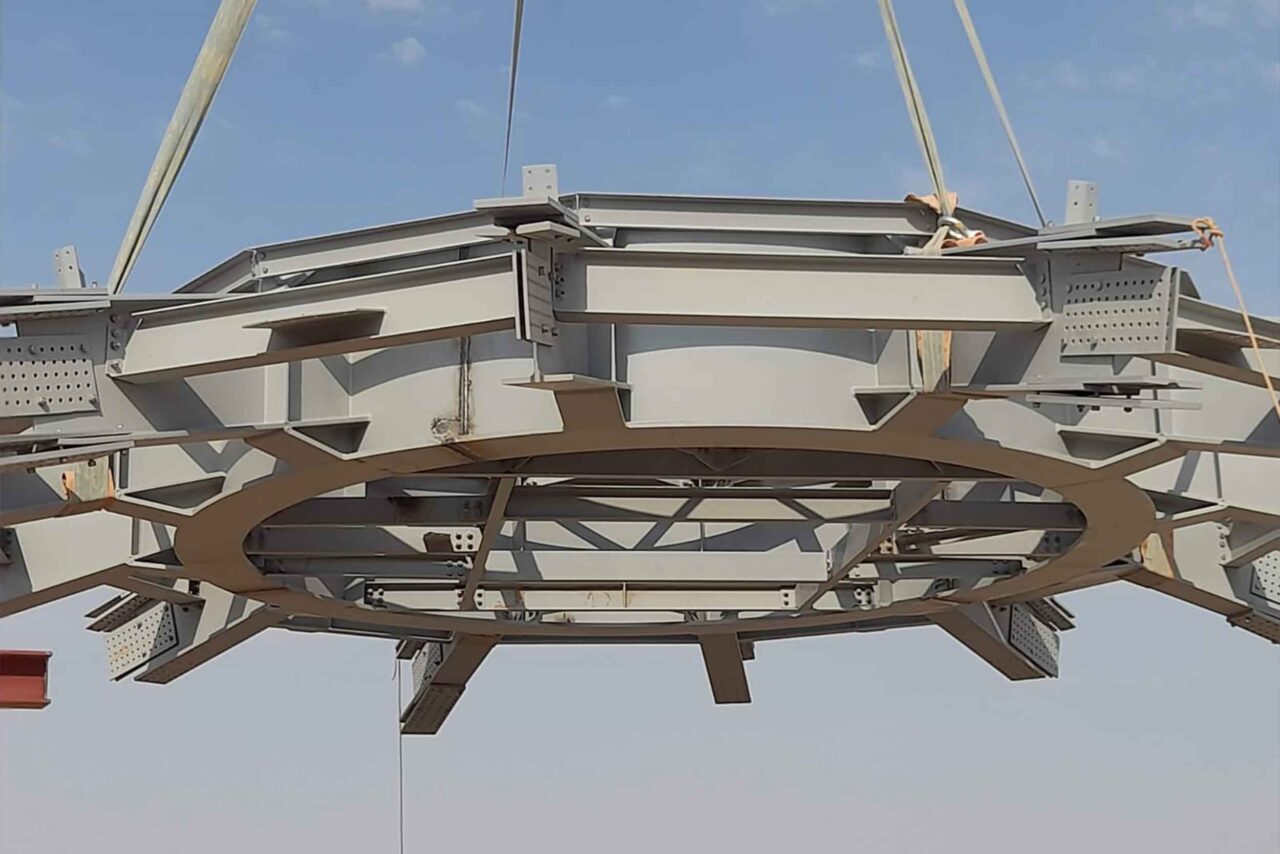
Another critical threat involves instability or collapse during erection. Steel elements must be temporarily braced before the permanent connections are fully installed. Poor lifting sequences or insufficient temporary bracing can cause partial collapse, which can be fatal. This is why dedicated steel erection standards cover rigging points, erection sequencing, temporary bracing, and double-connection safety requirements.
Additional hazards include vehicle impacts, heavy equipment movement, heat stress in hot climates, toxic gas accumulation, and long-term respiratory risks due to prolonged exposure to fumes or dust. Data from the steel manufacturing sector indicates that the top five fatality causes include falls, moving machinery, on-site vehicle incidents, gas-related asphyxiation, and falling objects which confirms the diversity and seriousness of risks in this profession.
Why the World Still Needs This Profession
Despite being high-risk, the profession remains essential for several reasons:
-
Modern infrastructure depends on steel
Airports, high-rise buildings, industrial facilities, metro stations, and major bridges cannot be built without structural steel. -
Existing infrastructure must be repaired and maintained
Large numbers of old bridges, plants, hangars, and industrial complexes require constant modernization, replacement of critical members, and reinforcement work that requires skilled steel erectors. -
The global construction market has constant demand
Even when economic cycles fluctuate, global reports show that construction, industrial facilities, and steel-based development continue to generate workforce demand, but the required skill levels are evolving and becoming more specialized.
This means the world cannot eliminate this profession, even if it optimizes and automates parts of it.
How to Make the Profession Safer Practical Recommendations
-
Mandatory and continuous training in steel erection safety
-
Strict compliance with recognized steel erection standards (e.g., OSHA 1926 Subpart R in the U.S.)
-
Use of proper PPE: helmets, fall arrest harnesses, safety footwear, face shields, and respiratory protection
-
Clear lift planning, engineering supervision, and controlled exclusion zones
-
Establishing a proactive safety culture where workers can report hazards without fear
Conclusion
Structural steel erection involves severe and real risks. But with proper training, engineered controls, international safety standards, competent supervision, and strong equipment most of these risks can be prevented or dramatically reduced. The world will always need this profession not only to build the future but also to maintain what has already been built.
Investing in worker training and applying global safety protocols is not a luxury it is the most effective investment for protecting lives, improving quality, and ensuring sustainable performance in this industry.